
Should You Stay Home During a House Showing? Here's What Buyers Really Think

Should You Stay Home During a House Showing? Here's What Buyers Really Think
If your house is for sale and someone schedules a showing, please leave.
I know it's your house. I know it's inconvenient, especially when you've just cleaned everything, put the dogs in the car and rearranged your afternoon so strangers can walk through your home. But I'm telling you this from years of experience showing homes to buyers in Mesa and throughout the East Valley: when sellers stay home during a showing, buyers get uncomfortable, and they usually can't get out of there fast enough.
I've walked into homes where the seller was sitting in the living room, where tenants were hanging around, and where the homeowner decided to give us an unsolicited tour. Most people are perfectly friendly and genuinely think they're being helpful. Unfortunately, their presence changes the entire showing, and not in a good way.
Buyers stop talking about what they like and don't like. They hesitate to open closets, look inside cabinets or spend time examining the things they came to see. Instead of imagining themselves living in the house, they're trying to figure out how quickly they can politely leave.
And I've seen it happen to homes they were genuinely excited about before we walked through the front door.

What Actually Happens When Sellers Stay Home During Showings?
As a real estate agent, I can tell you that showing a home with the seller present is a completely different experience from showing an empty house.
Buyers need to be able to look around, talk openly and decide whether the property works for them. They need to ask questions like whether the kitchen is big enough, whether the bedrooms will fit their furniture and whether the house is worth what the seller is asking.
Those conversations are difficult when the homeowner is standing five feet away listening.
Buyers Feel Like They're Intruding
Most buyers already feel a little awkward walking through somebody else's home. They're opening doors, looking in closets and checking spaces that would normally be private. It's part of evaluating a property, but it doesn't always feel natural.
Add the homeowner sitting on the couch, and suddenly they're apologizing for looking around. They don't want to seem rude or disrespectful, so they stop investigating the house the way they should.
I've had clients who were excited to see a listing, walked in to find the seller home and immediately wanted to leave. They weren't necessarily rejecting the house itself. They were uncomfortable with the experience, and that discomfort affected how they felt about the property.
A showing should give buyers enough time and privacy to decide whether they want to make an offer. When they feel like guests who have overstayed their welcome, we're not giving the house its best opportunity.
Your Helpful Commentary Probably Isn't Helping
Sometimes sellers want to tell buyers about the improvements they've made, how wonderful the neighbors are or why they love the house.
I understand the temptation. You've spent years taking care of your home, and you want people to appreciate everything you've done.
But buyers need to experience the property for themselves. They may have questions about the roof, the HVAC, a renovation or something unusual about the floor plan, and there are perfectly good ways for us to get those answers without having the seller accompany us through the showing.
In fact, I have had sellers provide useful information about a home. It just wasn't information we couldn't have gotten through a phone call afterward.
There's also a risk in having casual conversations with prospective buyers. You might accidentally disclose something about your motivation, timeline or negotiating position that would have been better discussed through your listing agent.
Let your agent handle the questions. That's part of what you're hiring us to do.
I've Had Some Really Uncomfortable Showings
I've shown homes where the sellers were older homeowners who simply preferred to stay home. They were generally very nice, and I understood that leaving might be inconvenient. But my buyers were still uncomfortable, and being friendly doesn't change the fact that strangers are trying to evaluate your house while you're sitting there.
Then there was the tenant.
The landlord was selling the property, and the tenant was home during our appointment. He wasn't wearing a shirt, the house was filthy and the place was completely trashed. I genuinely don't know how he could have made the showing more uncomfortable if he'd tried.
Needless to say, my buyers were ready to leave.
Occupied rental properties can be challenging to sell because the owner doesn't always control how the tenant maintains the home or accommodates showings. There may also be lease terms and legal notice requirements to consider. But the buyer experience still matters, and an uncomfortable showing can make it much harder for someone to picture themselves purchasing the property.
That's an extreme example, but I've seen plenty of less dramatic versions of the same problem. Sellers hovering nearby, tenants sitting in bedrooms, homeowners following us around and people who seem annoyed that we're there at all.
None of those situations helps sell the house.
And Please Take Your Dogs With You
I love dogs. I will happily stop and pet every friendly dog that wants attention, and I probably know more of my neighbors' dogs' names than their owners' names.
But not every buyer feels the same way.
I've shown homes where little dogs followed us from room to room, jumped on my clients or barked every time we opened a door. The owners usually thought their dogs were adorable, and I'm sure they were, but the buyers were distracted and uncomfortable.
I've also had buyers startled by dogs barking from behind closed doors. Nobody wants to open a bedroom and discover an animal they weren't expecting.
Even if your dog is friendly, your buyers don't know that. Some people are afraid of dogs, some have allergies and others simply don't want an animal jumping on them while they're trying to look at a house.
The same goes for cats. I don't want to be responsible for making sure your cat doesn't escape while we're coming in and out, and I certainly don't want to watch it walking across the kitchen counter while my clients are looking at the kitchen. That one gets an immediate reaction from me.
Take the cats with you if you can safely do so, and make arrangements in advance if you can't. Don't leave the showing agent guessing about whether an animal might run out the door.
Your turtle, bird, fish or lizard can generally stay in its enclosure, provided it's secure, clean and doesn't smell. Buyers shouldn't be distracted by dirty habitats or unpleasant odors either.
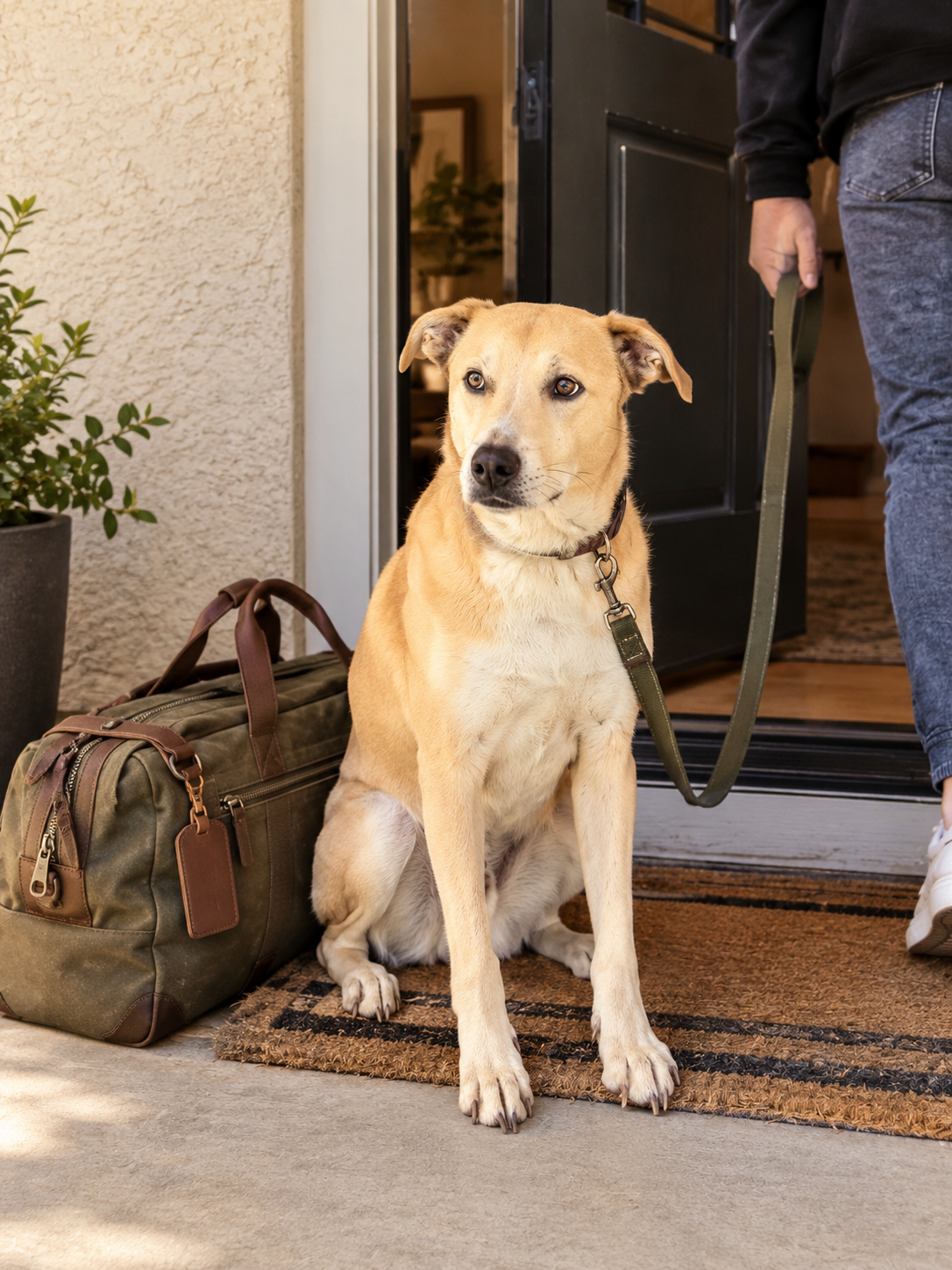
What If You Really Can't Leave During a Showing?
I had an elderly seller who didn't drive and had two dogs. Leaving the house for every showing wasn't something she could easily manage on her own.
But we made it work.
I arranged her showings so I could pick her up and take her and the dogs somewhere while buyers toured the property. It took extra coordination, but it meant prospective buyers could walk through the house without feeling like they were interrupting her afternoon.
There was only one occasion when I couldn't get there to pick her up. That was the only time the buyers were available, so we worked out a plan in advance with their agent.
My seller initially took the dogs into the garage. When the buyers wanted to see the garage, she moved them into the backyard. It wasn't ideal, but everyone knew the situation before the showing, and we made sure the buyers could see the entire property.
Those buyers wrote an offer.
I share that story because sometimes there are legitimate reasons a seller can't leave. Mobility issues, medical needs, transportation and other circumstances can make it difficult. We can plan around those situations rather than simply refusing showings.
But if you can leave, leave. It's one of the easiest things you can do to help your house sell.
Your House Needs to Be Clean, and Buyers Need to See All of It
Staying home isn't the only thing that can ruin a showing.
A dirty house is probably my biggest pet peeve when I'm touring properties with buyers. And I'm not talking about a few dishes in the sink or a child's toy left on the floor. I'm talking about visibly neglected homes, dirty bathrooms, unpleasant smells and spaces that look like nobody has cleaned them in months.
Buyers notice.
And when a home is visibly dirty, they start wondering what else has been neglected that they can't see. Has the HVAC been maintained? Have leaks been ignored? Is there something hiding beneath the surface that nobody has bothered to address?
A messy house doesn't automatically mean a poorly maintained house, but it can create that impression. Once buyers start questioning the condition, it becomes harder for them to focus on the things they liked about the property.
Don't Lock Interior Rooms During a Showing
This is another one that drives me crazy.
If we're scheduled to see a house, we need to be able to see the house.
Locking a bedroom, office, garage or other interior space prevents buyers from evaluating the entire property. They may need to know whether their furniture fits, whether there's visible damage or whether the room actually works for their needs.
If buyers can't see part of the home, they're much less likely to write an offer. They may wonder what's behind the locked door, or simply decide they aren't comfortable making a major purchase without seeing everything.
If you have valuables or private belongings you don't want buyers to access, secure or remove those items before the showing. If there's a legitimate reason an area can't be accessed, discuss it with your listing agent in advance so we can plan accordingly.
But don't surprise buyers with locked rooms when they arrive.
How Much Notice Should Sellers Require for Showings?
You don't have to make your house available with five minutes' notice.
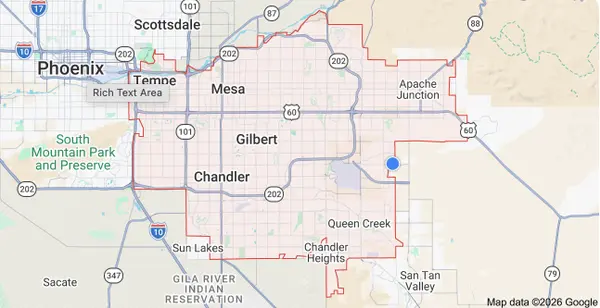
When I'm working with sellers in Mesa, Gilbert, Queen Creek or the surrounding East Valley, we discuss their schedules and how much time they realistically need to prepare for a showing.
If you need an hour's notice, we can set the showing instructions to require at least an hour. If you have dogs, work from home or need to coordinate with other people in the household, we'll account for that too.
I try to give sellers notice the day before whenever possible, although buyers' schedules and showing requests don't always cooperate.
The important thing is making a realistic plan before the house goes on the market.
What Should You Actually Do During the Showing?
Here's my advice: load the dogs into the car, leave a few minutes before the appointment and go do something for half an hour.
Grab coffee, drive around the neighborhood, run an errand or take the dogs for a little outing. You don't need to go far, but you do need to give the buyers space.
And please don't park directly in front of the house and sit there watching us. It's uncomfortable, and it makes buyers feel like you're annoyed they're looking at your property.
Give us a few minutes after the appointment too. Buyers sometimes need a little longer to look at something again or finish a conversation with their agent. If you have security cameras and can see that we've left, wait until then to return.
You don't need to make a production out of it. Just give the buyers the privacy you would want if you were shopping for a home.
Why This Matters When You're Selling a Home in Mesa
Selling a house isn't just about getting the listing price right, taking professional photographs and putting it on the MLS. Those things matter, but the experience buyers have when they actually walk through the door matters too.
A buyer might love your home's layout, location and backyard from the listing photos. But if the house smells bad, a dog is jumping on them, they can't access a bedroom or the seller is following them around, their impression can change very quickly.
And the unfortunate part is that many of those problems are completely avoidable.
You don't have to have a brand-new house or expensive furniture to make a good impression. You need a clean, accessible property where buyers can take their time, ask questions and picture themselves living there.
The National Association of Realtors' consumer guide to preparing to sell your home is another useful resource for understanding how preparation and presentation affect the selling process.
My advice is to think about the showing from the buyer's perspective. If you were considering spending $450,000, $600,000 or $900,000 on a house, wouldn't you want to see the whole thing without feeling rushed or watched?
Your buyers want the same opportunity.
Frequently Asked Questions About House Showings
Should sellers leave the house during a showing?
Yes, whenever reasonably possible. Buyers are generally more comfortable exploring a home, discussing their impressions and asking their agent questions when the seller isn't present. If leaving is difficult, coordinate an alternative with your listing agent before the appointment.
Can sellers refuse a showing because the timing is inconvenient?
Sellers can establish reasonable showing availability and notice requirements, subject to applicable agreements and legal obligations. However, restricting access too much can reduce the number of buyers who see the home. I recommend setting a schedule that accommodates your household while still making the property reasonably accessible.
Should I take my pets out of the house for showings?
Yes, if you can do so safely. Dogs and cats can distract buyers, trigger allergies or create concerns about animals escaping. If a pet cannot leave, tell your listing agent in advance so a safe plan can be made. Smaller animals in secure, clean enclosures can usually remain.
What should I do with valuables and personal belongings during showings?
Secure jewelry, medications, firearms, financial documents and other valuable or sensitive items before allowing buyers into the home. Remove or properly secure anything you don't want accessed. Buyers should be able to view the property's rooms and features without encountering locked interior spaces unexpectedly.
How long does a typical house showing take?
Many residential showings take around 15 to 30 minutes, although some buyers need more time, particularly for larger properties or second visits. Plan to leave before the appointment and return a little afterward so buyers don't feel rushed.
Want Buyers to Feel at Home? Give Them Room to Look.
I know leaving your house for showings is inconvenient. I've worked with sellers who had dogs, complicated schedules and genuine transportation challenges, and we've always worked to find a solution.
But I've also watched buyers become so uncomfortable with a seller's presence that they cut a showing short and never gave the house a second thought.
That's why I tell my sellers upfront that leaving for showings is part of our plan to get the house sold. We can coordinate the schedule, set reasonable notice requirements and make arrangements for pets, but we need buyers to feel comfortable.
If you're preparing to sell a home in Mesa, Gilbert, Queen Creek or anywhere in the East Valley, I'd be happy to help you put together a showing plan that works for your household and gives your home the best opportunity to attract an offer.
And if you need an excuse to get out of the house for 30 minutes, there's always coffee.
Categories
Recent Posts






"Real estate isn’t just about buying and selling houses—it’s about creating opportunities, building wealth, and turning dreams into reality. Everyone deserves a place to call home, and I’m here to make that happen."