
Should You Buy a Fixer-Upper or a Move-In-Ready Home in Mesa, Arizona?
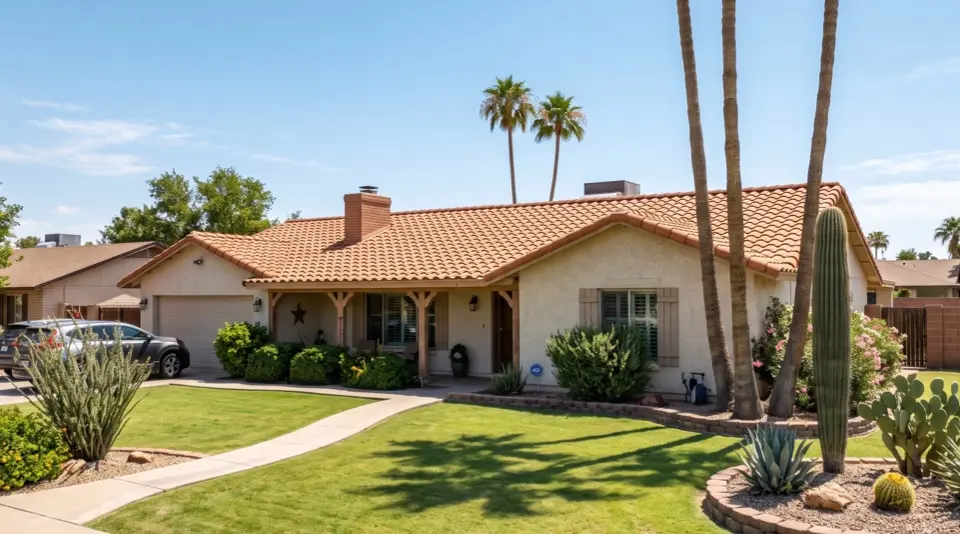
I have a confession. We've lived in our Arizona house for eight years, and I still haven't replaced the flooring I didn't like when we bought it.
We've added a pool, redone the landscaping, replaced light fixtures and converted a couple of rooms back to their original floor plan. We've done plenty of work on this house, but those floors? Still here.
And that's something I tell my buyers when we're walking through a house and they say, "We can always change that later."
Because yes, you absolutely can. But will you?
That's one of the biggest things I think buyers need to consider when deciding between a fixer-upper and a move-in-ready home in Mesa. It's easy to walk through a house and imagine everything you're going to change. It's another thing to actually live through the renovations, pay for them and find the time to get them done.
I've owned both kinds of homes, and I've helped buyers make this decision more times than I can count. What I've learned is that the answer usually has less to do with the condition of the house than people expect.
Most of the time, location wins.
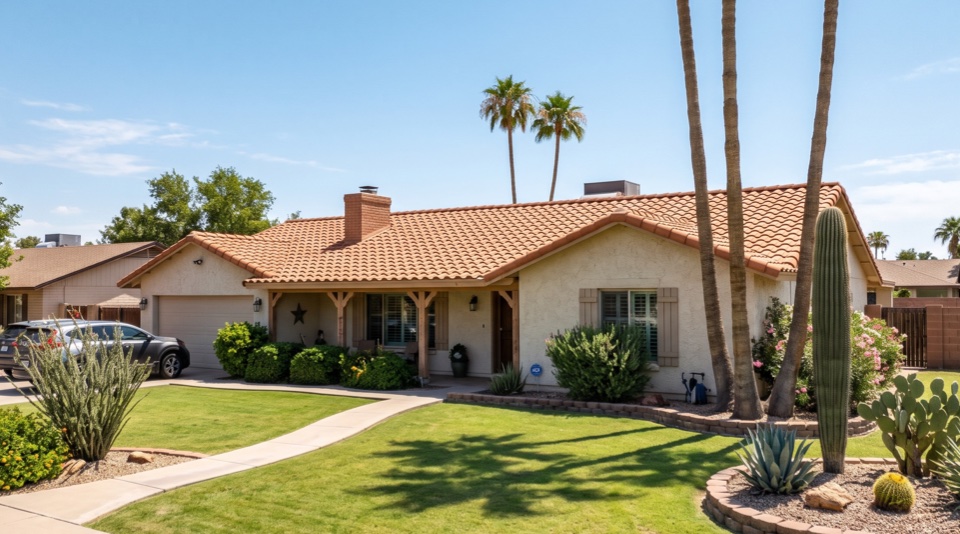
My First House Was a Fixer-Upper, and We Had No Idea What We Were Getting Into
My husband and I bought our first home in Southern California during the housing crash. We looked at everything: foreclosures, short sales and regular listings. We wrote offer after offer, and nothing was getting accepted.
Then we found this house.
It was ugly. Really ugly. But the space worked, the yard was great and the price made sense for the work we knew it needed. We could see the potential, and after losing out on so many other houses, we were excited to finally have something that might actually work.
Here's where I get to tell you what not to do.
We didn't get a home inspection.
Our agent never told us we needed one. My dad had a construction background and looked over the property, but that's not the same as having a professional inspector go through the house. We didn't understand the difference at the time, and we definitely paid for that learning experience.
We discovered mold and other issues after closing. Those were expensive surprises, but the thing that probably surprised me the most wasn't even something an inspection necessarily would have caught.
It was the noise.
There was a road and a train nearby, and we hadn't really considered how much we'd hear them from the house. We eventually got used to it, but I remember thinking that we had spent so much time looking at the house itself that we hadn't paid enough attention to what it would actually be like to live there.
That experience changed how I look at properties today. The house needed work, and we knew that. What we didn't know was everything else we should have been looking at before we bought it.
Would I buy another fixer-upper? Absolutely. I'd just approach it very differently.
Why Mesa Buyers Keep Choosing Older Homes That Need Work
Mesa is one of my favorite places to search with buyers because there's so much variety. You can find historic homes, older ranch-style properties, established neighborhoods with mature landscaping, larger lots, homes without HOAs and newer master-planned communities.
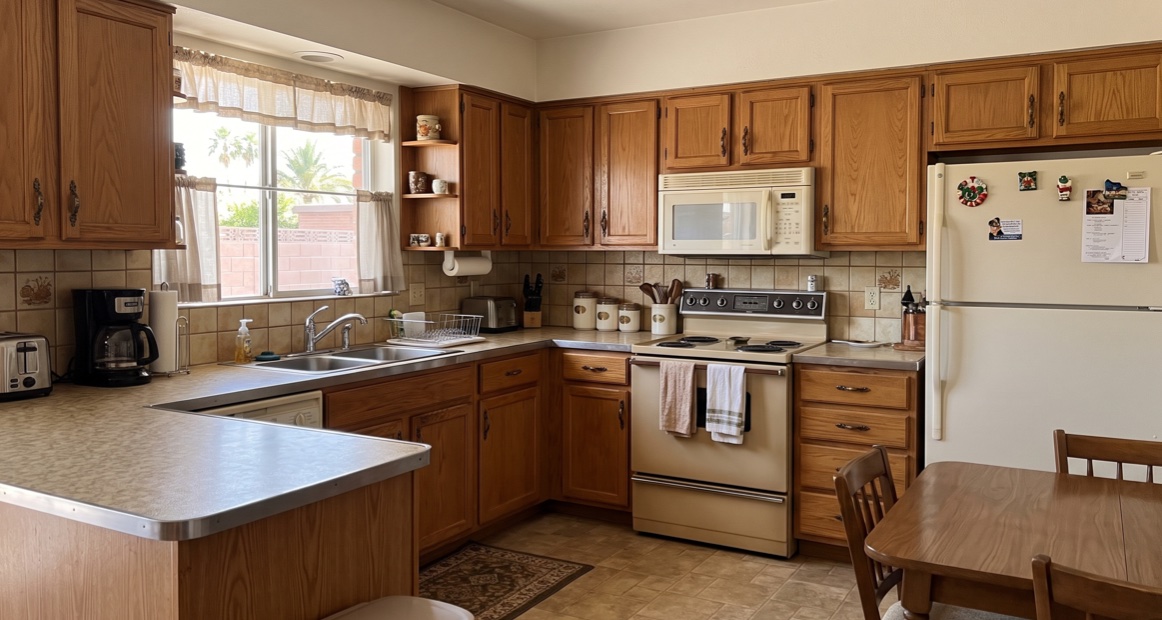
And sometimes the house that checks all your location boxes hasn't been updated since 1987.
That doesn't automatically make it a bad house.
You Can Renovate a Kitchen. You Can't Move the House.
I've had buyers choose older homes that needed updates because they were in exactly the neighborhood they wanted. I've also had buyers choose new construction or a move-in-ready resale because they were comfortable living farther out.
That's usually what settles the debate.
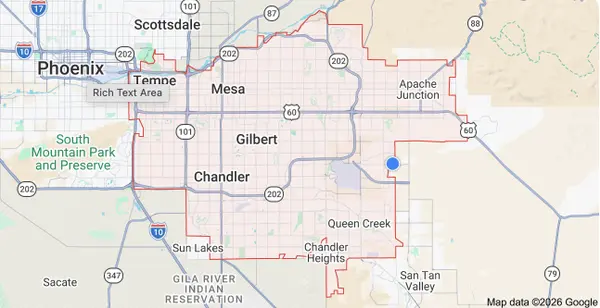
If someone wants to be in North Mesa, close to the places they already go, with a larger lot and no HOA, a newer home in Queen Creek isn't necessarily a substitute. It might have beautiful cabinets, brand-new flooring and a builder warranty, but it doesn't give them the location they want.
On the other hand, if someone is comfortable with the commute and doesn't care about being in a particular neighborhood, a newer home in Southeast Mesa, Queen Creek or San Tan Valley might make much more sense.
I don't think there's a right answer for everyone. But I do think buyers need to be careful about letting a pretty kitchen distract them from a location that doesn't actually work.
The Older Mesa Neighborhoods Have Things You Can't Easily Recreate
Some of the established neighborhoods in Mesa have larger lots, mature trees and more separation between houses. Depending on the property, you may also find an existing pool, an RV gate or no HOA.
Those things matter to certain buyers, and they can be difficult or expensive to recreate in a newer community.
Of course, older neighborhoods aren't automatically better. You still need to look at the property's condition, maintenance history and any restrictions that affect what you want to do with it.
But if you're looking at a dated house on a great lot in a neighborhood you love, I wouldn't dismiss it just because the kitchen needs some attention.
Not Every Ugly House Is an Expensive Fixer-Upper
I think buyers sometimes put too many things in the same category.
Old carpet, dated cabinets and ugly light fixtures are not the same as a failing roof or an electrical system that needs major repairs. Yet I've watched people react more strongly to a house full of outdated finishes than to something that could become a much more expensive problem.
Cosmetic work can sometimes be surprisingly affordable, especially if you're willing to do some of it yourself or make improvements over time.
Flooring, Cabinets and Paint
Carpet is often one of the more affordable things to replace. If the rest of the house works, I wouldn't let worn or unattractive carpet automatically eliminate it. We may even be able to negotiate a credit or seller concession toward allowable costs, depending on the transaction and financing.
Cabinets are another example. If the layout works and the cabinets are in good condition, painting them may give you the update you want without replacing the entire kitchen. Floors and cabinets can sometimes cost less than buyers expect, although materials, labor and the size of the project make a huge difference.
The key is getting real numbers instead of guessing.
A house that needs $8,000 in cosmetic improvements is a very different purchase from one that needs $80,000 in repairs and renovations. But you won't know which situation you're dealing with until you actually investigate.
The Expensive Problems Deserve More Attention
Roofing, HVAC, plumbing and electrical issues are where I want buyers to slow down and understand exactly what they're purchasing.
That doesn't mean every older roof or HVAC system needs to be replaced immediately. Age alone doesn't tell us everything, and an inspection report isn't a demand that the seller deliver a brand-new house.
But if an inspector identifies a significant problem, I want to understand the condition, the cost to repair or replace it and whether the seller is willing to address it.
And yes, we're going to ask.
I've negotiated repairs, credits and concessions on all kinds of issues. Sometimes the seller agrees, sometimes we negotiate something in the middle and sometimes the answer is no. But if you don't ask, you don't know.
That's why I don't like when buyers assume a seller won't fix something before we've even had the conversation.
Before You Buy a Fixer-Upper, Get the Actual Renovation Numbers
This is probably the biggest piece of advice I'd give someone considering a house that needs substantial work.
Get estimates during your due diligence period.
Not after closing. Not based on what your cousin thinks a kitchen remodel should cost. And definitely not based on a renovation video where someone somehow remodeled an entire house for $12,000.
If you're buying a home in Arizona, the inspection period is your opportunity to investigate the property under the terms of your contract. The Arizona Department of Real Estate's Buyer Advisory is a useful resource for understanding the kinds of property conditions, restrictions and other issues buyers should research before purchasing.
I want my buyers to use that time wisely.
If you're planning to replace the flooring, get an estimate. If you're thinking about removing a wall, have a qualified contractor look at it. If the roof has issues, find out what repairs or replacement will cost. And if you're planning a major remodel, ask about permits and whether the work you want to do is even feasible.
Sometimes buyers discover the renovations are more affordable than they expected. Other times they realize that the inexpensive house isn't nearly as inexpensive as it looked.
Either answer is useful before you're committed to the purchase.
The Purchase Price Is Only Part of the Budget
Let's say you're comparing a $375,000 home that needs work with a $410,000 home that's move-in ready.
At first glance, the fixer-upper saves you $35,000. But if you're planning $40,000 in renovations, you're already at $415,000 before accounting for unexpected expenses, financing costs or the inconvenience of living through construction.
That doesn't mean the move-in-ready home automatically wins. The fixer-upper might have a much better lot, a location you prefer or features the other house doesn't offer.
And you may not need to complete every renovation immediately.
But I want you making that decision with the numbers in front of you, not because you fell in love with the idea of getting a deal.
A Home Inspection Isn't Supposed to Come Back Perfect
One of the things I explain to buyers, especially first-time buyers, is that you're purchasing a used house.
It's going to have things that need attention.
I've seen buyers get overwhelmed when they receive a long inspection report because they assume a long report means the house is falling apart. That's not necessarily true. Inspectors document all kinds of findings, from relatively minor maintenance items to serious defects that need immediate attention.
Even brand-new construction homes have inspection findings. I recommend independent inspections on new builds too, and I've had builders correct items before my buyers closed that they probably never would have noticed during their final walkthrough.
The goal isn't to find a house with a completely blank inspection report. It's to understand what you're buying and which issues matter.
For a resale home, I want to know whether we're dealing with normal wear and deferred maintenance, or whether there are significant concerns involving safety, water intrusion, structure or major systems.
Then we decide what to request from the seller and whether the purchase still makes sense.
My first house taught me how expensive it can be to skip this step. It's not something I'd recommend repeating.
Move-In Ready Doesn't Mean You'll Never Spend Money
I think there's a misconception that paying more for a move-in-ready house means you won't have anything to do after closing.
You might not have a renovation project waiting for you, but houses still need maintenance. Appliances break, systems age and sometimes you discover things you simply don't like once you've lived there for a while.
And move-in ready is subjective.
One buyer sees a perfectly good kitchen and wants to replace every cabinet. Another buyer loves the same kitchen and wouldn't change a thing.
That's why I want buyers to separate things that need to be repaired from things they simply want to update.
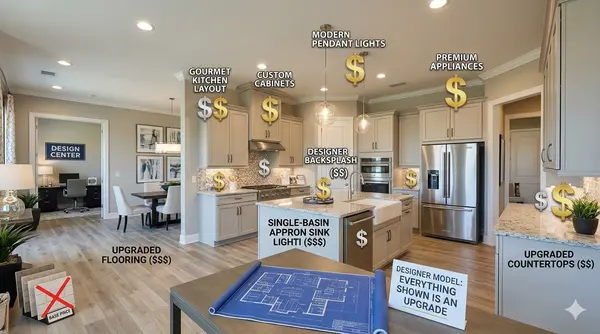
A move-in-ready home can be worth paying more for, especially if you don't have the time, money or desire to manage renovations. But don't assume that paying a premium guarantees you won't have future expenses.
The House You Plan to Renovate and the House You Actually Renovate Might Be Different
Let's return to my Arizona house for a minute.
When we bought it, the previous owners had converted an open den and a walk-in closet into bedrooms. We changed those rooms back to the original floor plan because that layout worked better for us.
We also inherited those awful stick-on child locks on practically everything. I tried to remove them as carefully as possible, using heat and everything else I could think of, but they still pulled the finish off cabinets and paint off doors.
We've added a pool, redone the landscaping and changed light fixtures. And maybe one day we'll redo the primary bathroom, which has a garden tub that somehow manages to take up a ton of space while being too shallow for a proper soak.
But the floors are still here.
It's not that we couldn't replace them. Other projects took priority, and then life happened. Now it's been eight years.
That's why, when a buyer tells me they can always change something later, I ask how long they're comfortable living with it.
If you hate the flooring but could live with it for five years, fine. If you know you'll be miserable every time you walk through the front door until it's replaced, we need to account for that expense now.
There's nothing wrong with buying a house that needs work. Just be realistic about which projects you're actually going to tackle and which ones might keep getting pushed down the list.
Would I Buy Another Fixer-Upper in Mesa?
Without hesitation, if it were the right house.
If I were buying again today, I'd love to find an older home in North Mesa with a large lot and no HOA. I'd be perfectly happy to gut the interior and make it my own if the floor plan worked and the price made sense.
That's my preference, though. I like being able to choose my own finishes and create a home that works for the way I live.
Someone else might have absolutely no interest in spending their weekends looking at tile samples or coordinating contractors. They'd rather pay more for a house that's already done and spend their free time doing something else.
Both approaches make sense.
What I wouldn't do is buy a fixer-upper just because it has a lower price tag. And I wouldn't pay more for a move-in-ready house in a location I didn't really want simply because it looked beautiful during the showing.
FAQs About Buying a Fixer-Upper in Mesa, Arizona
Is it cheaper to buy a fixer-upper in Mesa?
Not necessarily. A fixer-upper may have a lower purchase price, but the total cost depends on the renovations, repairs, financing and unexpected expenses. Get estimates during your inspection period and compare the total investment with similar move-in-ready homes.
Can I ask a seller to replace an old roof or HVAC system?
Yes, you can request repairs, replacement or other negotiated terms, although the seller isn't automatically required to agree. The condition of the system, inspection findings, contract terms and market conditions all affect the conversation. I always want to understand the problem and ask for an appropriate solution before assuming the seller will say no.
Should I avoid older homes in Mesa?
No. Mesa has many established neighborhoods with features buyers specifically want, including larger lots, mature landscaping and homes without HOAs. The important thing is to evaluate the individual property rather than assuming an older house is either a bargain or a problem.
Is a home inspection necessary if I'm buying a fixer-upper?
I strongly recommend an independent home inspection, especially when purchasing a property that needs work. An inspector can identify visible issues that may require further evaluation by qualified specialists. I skipped the inspection on my first home, and the surprises after closing taught me a lesson I won't forget.
Should I buy a renovated home or renovate one myself?
It depends on your budget, location priorities, timeline and willingness to manage the work. A renovated home may offer convenience, while an older home can give you more control over the finishes and layout. Compare the full costs and be realistic about how long you're willing to live with unfinished projects.
The Right House Isn't Always the Prettiest One
If you're trying to decide between a fixer-upper and a move-in-ready home in Mesa, I'd start with the things you can't change.
The location. The lot. The floor plan. The commute. The neighborhood.
Then we can talk about the condition, what it would cost to make the house your own and whether those numbers actually make sense.
I've helped buyers choose older homes because they couldn't imagine living anywhere else. I've helped others choose newer homes because they wanted to move in, unpack and be done. And after owning a fixer-upper myself, I understand both decisions.
If you're comparing homes in Mesa, Gilbert, Queen Creek or the surrounding East Valley, I'm happy to help you look past the paint colors and figure out which house is actually the better fit. Sometimes the house that needs work is exactly the one worth buying.
Just don't assume you'll replace those floors next year. I have eight years of evidence that says otherwise.
Categories
Recent Posts



"Real estate isn’t just about buying and selling houses—it’s about creating opportunities, building wealth, and turning dreams into reality. Everyone deserves a place to call home, and I’m here to make that happen."