
How Much You Really Need to Buy a Home in Mesa in 2026
If you are a first-time home buyer looking in Mesa, this is probably the question keeping you stuck:
“How much money do I actually need to buy a home?”
Not how much the internet says.
Not worst-case scenarios.
Not outdated advice from 2021.
This guide breaks down realistic numbers for 2026, based on how homes are actually being purchased in Mesa and the East Valley right now.
No fluff. No scare tactics. Just clarity.
The Short Answer Most Buyers Want
Most first-time buyers in Mesa need less cash than they think, but more planning than they expect.
Your total out-of-pocket cost depends on:
-
Loan type
-
Purchase price
-
Seller concessions
-
Whether you are buying resale or new construction
Let’s break it down step by step.
Step 1: Typical Home Prices in Mesa
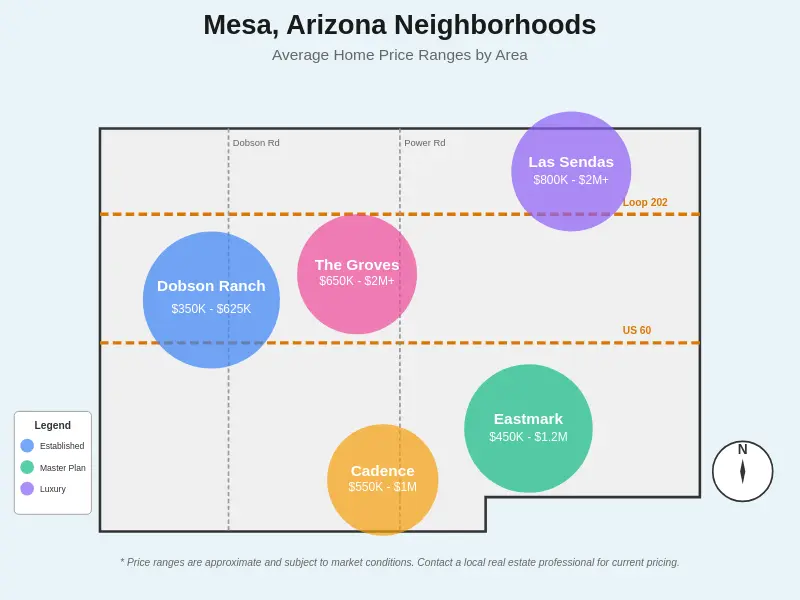
Mesa offers one of the widest ranges of price points in the East Valley.
As of heading into 2026, many first-time buyers in Mesa are shopping in the:
-
Low $400,000s
-
Mid $400,000s
-
Low $500,000s
Price varies significantly by:
-
Neighborhood
-
Age of home
-
Proximity to freeways, schools, and amenities
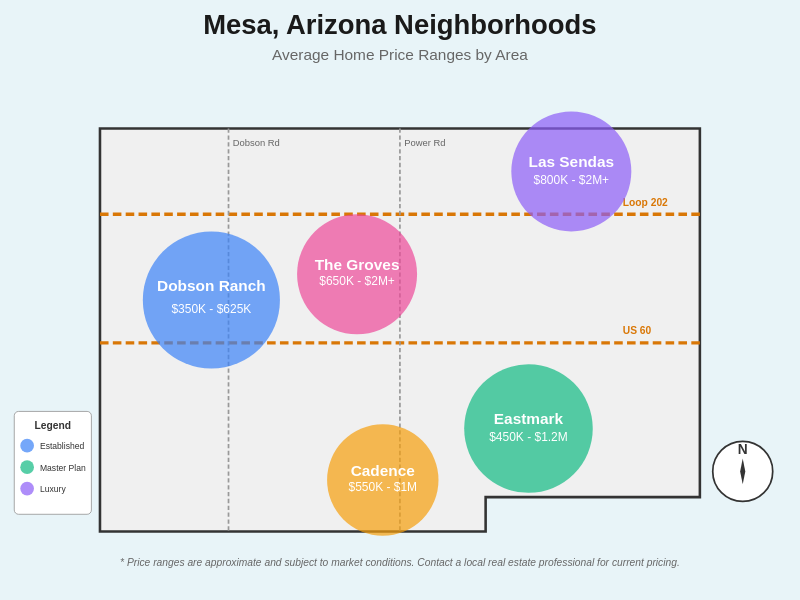
This is why generic Arizona advice often misses the mark. Mesa is not one-size-fits-all.
Step 2: Down Payment Options for Mesa Buyers
Here is where most myths live.
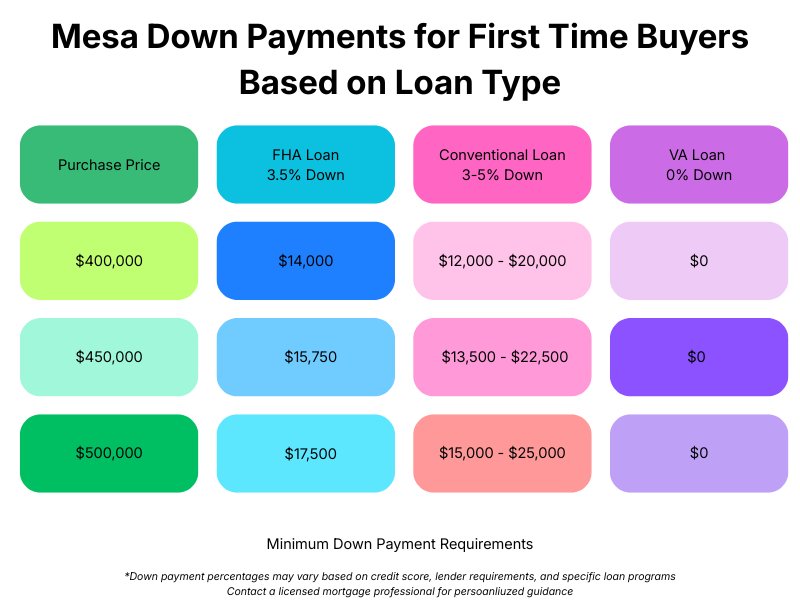
Common down payment scenarios
-
FHA loans: about 3.5 percent down
-
Conventional loans: as low as 3 percent down
-
VA loans: zero down for eligible buyers
Example
On a $450,000 home:
-
3 percent down is $13,500
-
3.5 percent down is $15,750
You do not need 20 percent down to buy a home in Mesa.
What you do need is a lender who helps you choose the right structure, not just the lowest down payment.
Step 3: Closing Costs Most Buyers Forget to Budget For
Down payments are only part of the picture.
First-time buyers in Mesa should also plan for closing costs, which often include:
-
Loan fees
-
Title and escrow
-
Appraisal
-
Prepaid taxes and insurance
In Mesa, closing costs often land around 2 to 4 percent of the purchase price before credits.
Example
On a $450,000 home:
-
Estimated closing costs: $9,000 to $18,000
The good news is that seller concessions are still common in many Mesa price points, especially on resale homes and certain new builds.
Step 4: Inspections and Upfront Costs
Some costs come before closing and are paid out of pocket.
Typical upfront expenses include:
-
Home inspection
-
Termite inspection if applicable
-
Appraisal
These usually total under $1,000 to $1,500, but they matter when planning your cash.
Skipping inspections to save money often costs buyers far more later, especially in older Mesa neighborhoods.
Step 5: How Seller Concessions Change the Math
This is where many buyers underestimate their buying power.
In today’s Mesa market:
-
Some sellers help cover closing costs
-
Builders may offer incentive packages
-
Credits can reduce how much cash you bring to closing
This is especially relevant when comparing Mesa to nearby cities like Gilbert or Queen Creek, where pricing and concessions can differ by community.
Understanding how to structure an offer matters just as much as the list price.
Step 6: Cash Reserves and What Lenders Like to See
Beyond your down payment and closing costs, lenders also look at reserves.
Reserves are funds left over after closing.
They help show you can:
-
Handle emergencies
-
Maintain the home
-
Cover payments if life happens
This does not mean you need a huge savings account, but it does mean draining every dollar to buy a home is usually not the best move.
Step 7: New Construction vs Resale Cash Differences
Buying new construction can change your upfront costs.
New builds in Mesa and surrounding areas like San Tan Valley may offer:
-
Builder-paid closing costs
-
Rate incentives
-
Flexible timelines
However, buyers should also plan for:
-
Design center upgrades
-
Landscaping
-
Window coverings
The cheapest path upfront is not always the cheapest long-term option.
Step 8: A Realistic Cash Range for Mesa First-Time Buyers
Putting it all together, many first-time buyers in Mesa fall into one of these ranges:
-
Lower cash scenario: $20,000 to $30,000 with concessions
-
Mid-range scenario: $30,000 to $45,000
-
Higher cash scenario: $45,000+ depending on loan and upgrades
These are estimates, not rules. The right number depends on strategy, not just savings.
What Matters More Than the Exact Number
Buyers get stuck chasing a magic savings number.
What actually matters is:
-
Monthly payment comfort
-
Total cash plan
-
Flexibility if negotiations shift
-
Knowing your options before touring homes
Clarity creates confidence.
Frequently Asked Questions About Buying a Home in Mesa
Can I buy a home in Mesa with under $25,000 saved?
In some cases, yes, especially with the right loan and seller concessions. It depends on price point and strategy.
Do I need more cash for older Mesa homes?
Older homes may require more upfront planning due to inspections and maintenance, but not always more cash to close.
Are closing costs negotiable in Mesa?
Often, yes. This depends on market conditions, the seller, and how the offer is structured.
Is it cheaper to buy in Mesa than nearby cities?
Mesa often offers more entry-level options than some neighboring East Valley cities, though it varies by neighborhood.
Should I wait and save more before buying?
Saving more is helpful, but waiting does not always improve affordability. It depends on your timeline and goals.
Final Thoughts for Mesa First-Time Buyers
You do not need perfect finances to buy a home in Mesa.
You need a realistic plan.
Once you understand how down payments, closing costs, and concessions actually work here, the process becomes far less intimidating.
If you want help running real numbers or you would like access to buyer tools and home searches specific to Mesa, you can explore the free resources on my site.
Thinking about buying a home in Arizona? Download my free First Time Buyer Guide and get clarity before you make your first move. Click here to grab your free guide
Categories
Recent Posts


"Real estate isn’t just about buying and selling houses—it’s about creating opportunities, building wealth, and turning dreams into reality. Everyone deserves a place to call home, and I’m here to make that happen."