
Common Inspection Issues in Arizona Homes
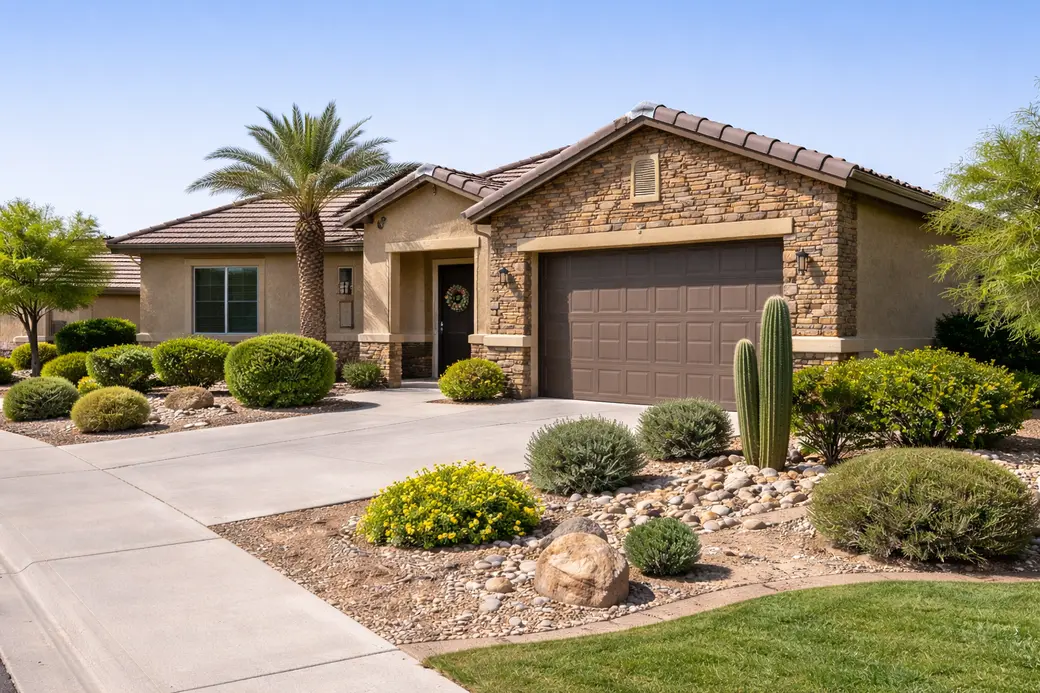
You found the house.
The offer was accepted.
Now the inspection report hits your inbox and suddenly everything feels dramatic.
If you are buying in Mesa or anywhere in the East Valley, here is the truth: inspection reports are supposed to look overwhelming. That does not mean the house is falling apart.
Arizona homes have very specific patterns when it comes to inspection findings. Once you understand what is common here, you can separate normal maintenance from actual deal breakers.
Let’s walk through what first-time buyers should realistically expect.
Why Arizona Inspections Look Different
Arizona climate changes how homes age.
We deal with:
-
Extreme summer heat
-
Intense UV exposure
-
Monsoon storms
-
Expansive soil in some areas
That combination creates predictable wear patterns that show up during inspections.
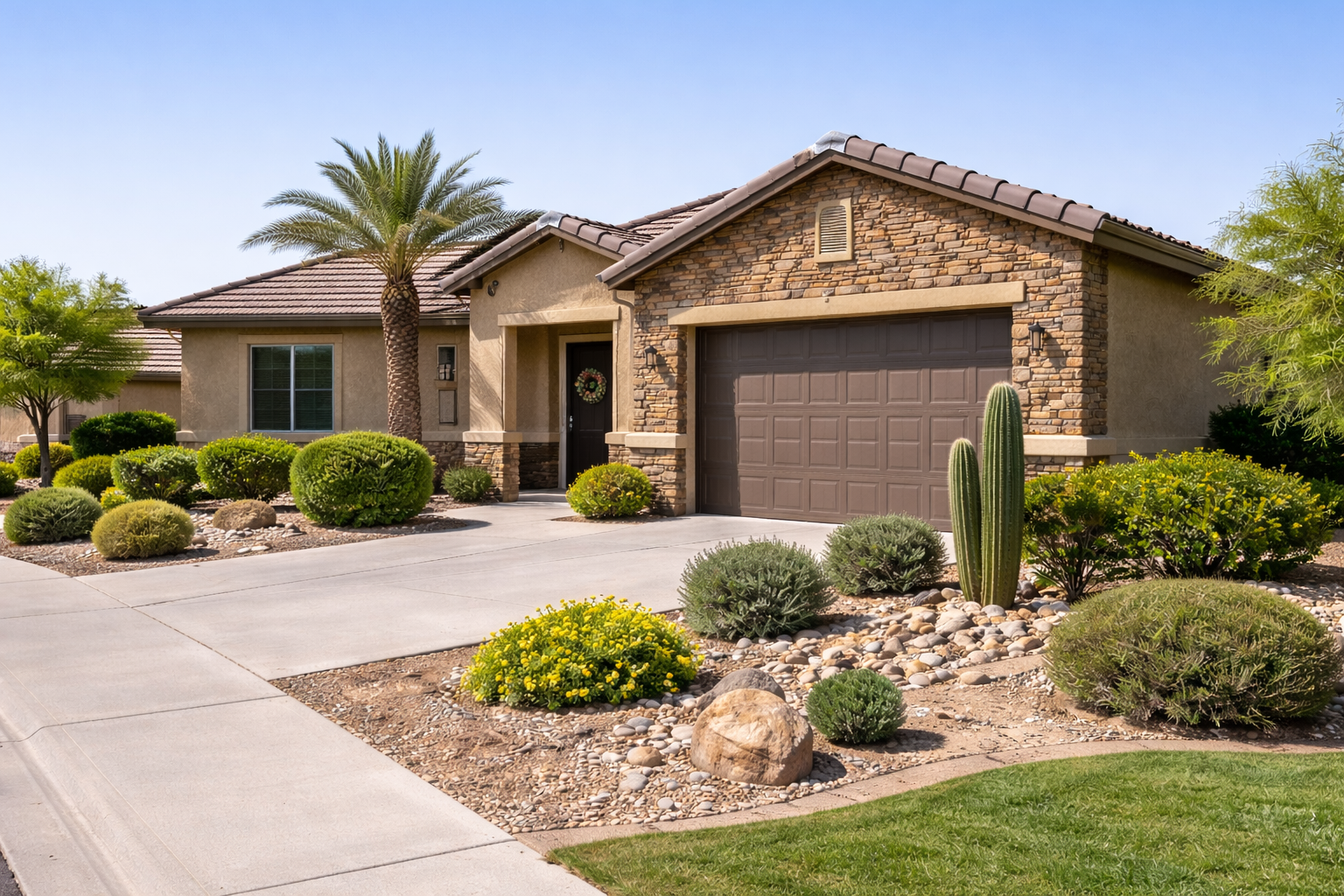
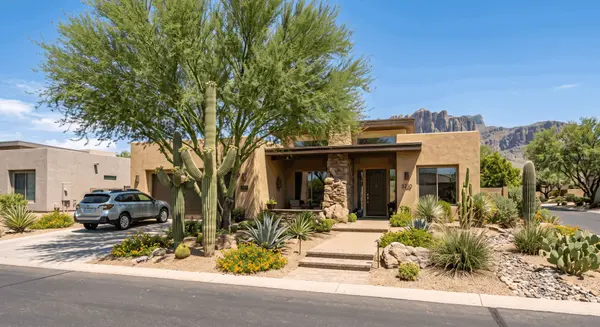
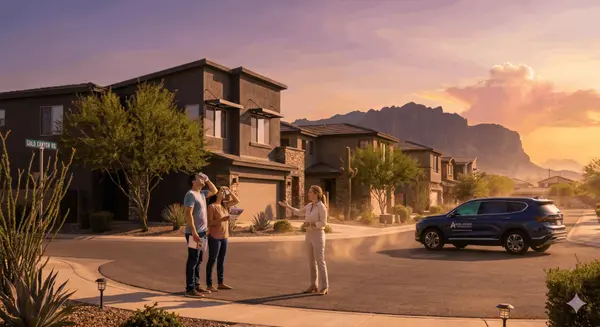
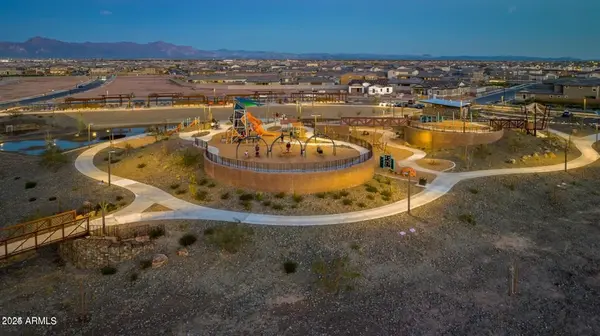
Alt text: Arizona home exterior in Mesa showing sun exposure and desert conditions
Understanding local conditions helps you avoid overreacting to common findings.
Roof Wear and Underlayment Aging
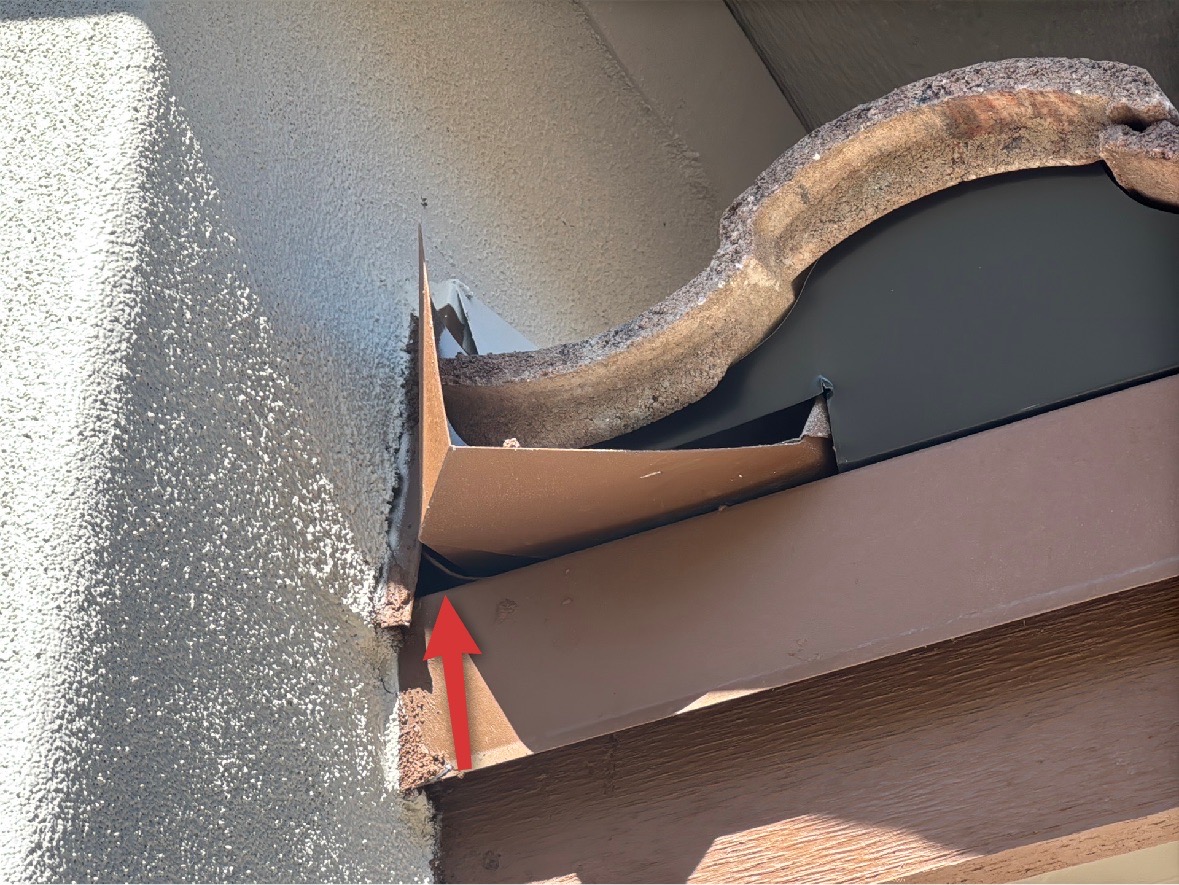
In Arizona, roof underlayment often wears out before the tiles themselves.
Inspectors frequently note:
-
Aging underlayment
-
Minor cracked tiles
-
Flashing issues around vents
In older Mesa neighborhoods, it is common to see roofs nearing the end of their functional life even if they look fine from the street.
This does not always mean immediate replacement. It means budgeting and negotiating wisely.
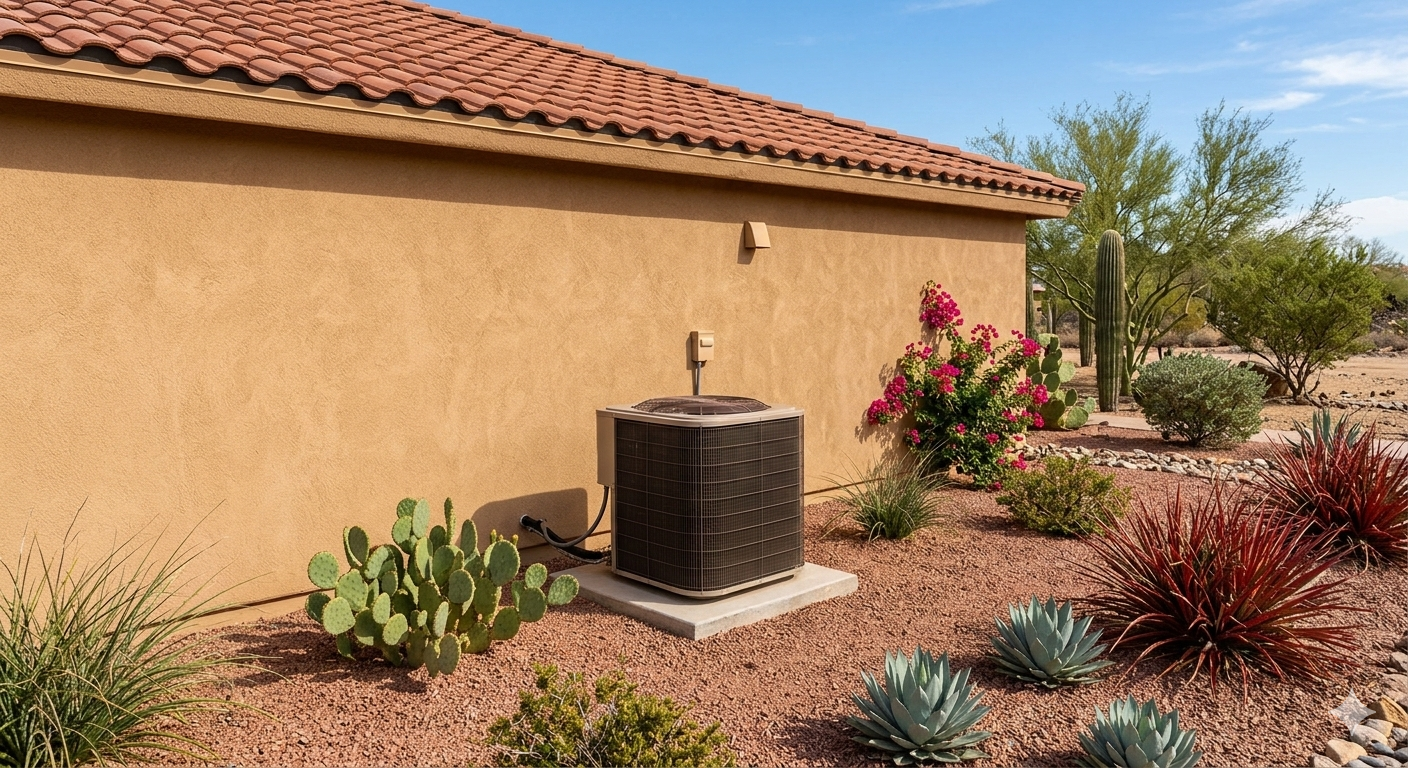
HVAC System Stress From Heat
Air conditioning is not optional here.
Inspectors often flag:
-
Older units nearing end of life
-
Inconsistent cooling
-
Dirty coils or duct leaks
An HVAC unit in Arizona works harder than in most states. Age matters more here.
If you are touring homes, this is something to check even before inspection. I cover what to look for during tours in my guide on what to expect at your first home showing in Arizona, which pairs well with this stage of the process.
Electrical Panel Updates
Certain electrical panels installed in past decades can raise concerns.
Common notes include:
-
Outdated panels
-
Double-tapped breakers
-
Improper grounding
These issues are usually fixable. They are rarely catastrophic.
But they do matter for safety and insurance.
Plumbing Concerns in Older Homes
Mesa has many homes built in the 1970s through 1990s.
Inspectors may note:
-
Galvanized pipes
-
Minor leaks
-
Aging water heaters
-
Low water pressure
Water heaters in Arizona typically last 10 to 18 years due to mineral content and heat exposure.
This is why understanding age and maintenance history is more important than cosmetic upgrades.
Signs of Past Water Intrusion
Even in the desert, water intrusion happens.
Inspectors often look for:
-
Ceiling stains
-
Improper grading around the foundation
-
Stucco cracking
Monsoon storms can expose drainage issues quickly.
The key question is not “Has this ever happened?” but “Was it properly addressed?”
Termites and Pest Activity
Arizona homes frequently include termite history.
It is normal to see:
-
Evidence of past treatment
-
Minor wood damage
-
Preventative systems installed
This is not unique to Mesa. It is common across the East Valley, including Gilbert and Queen Creek.
Most termite findings are manageable and often already treated.
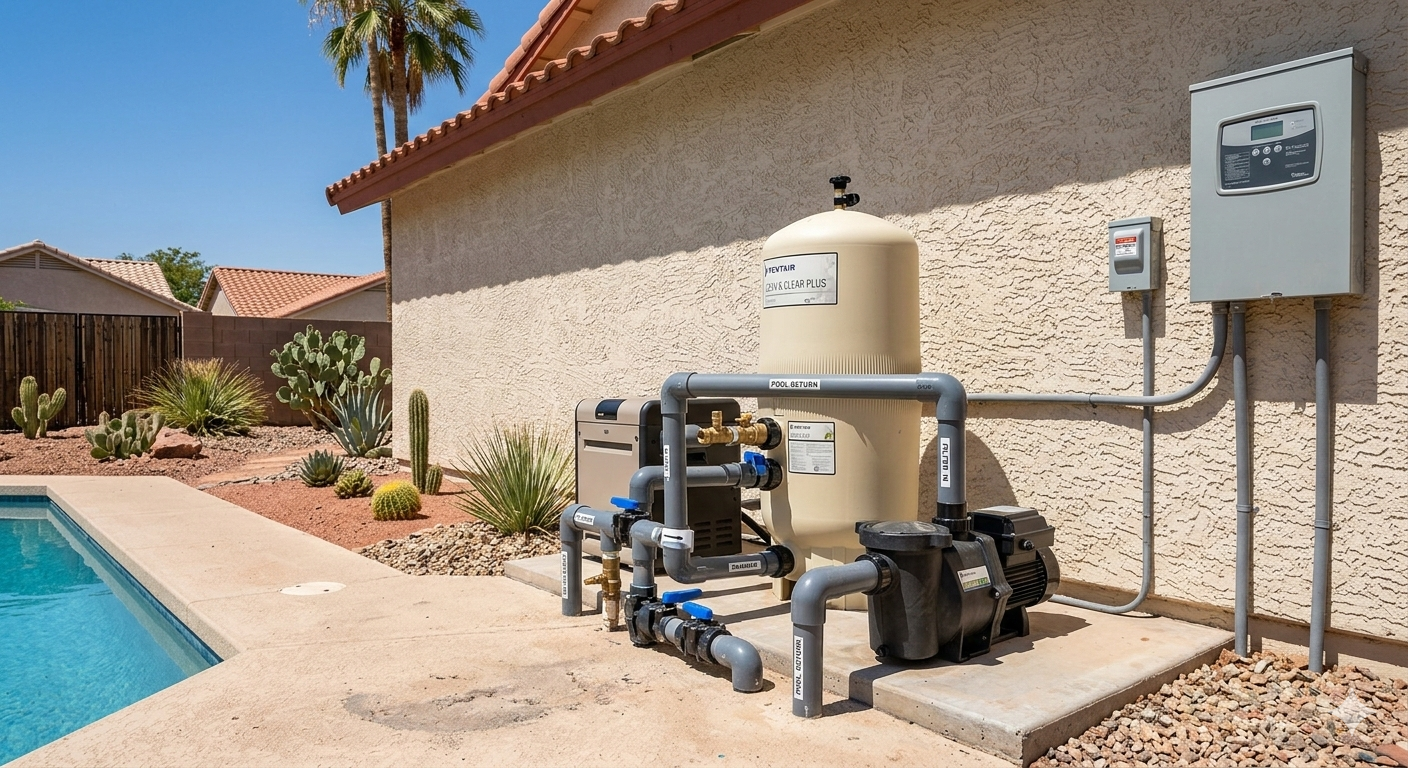
Pool Equipment Issues
If the home has a pool, expect a separate inspection.
Common findings include:
-
Aging pumps
-
Cracked filters
-
Worn seals
-
Surface wear
Pool repairs can be minor or significant depending on condition.
In Mesa neighborhoods where pools are common, this is part of the evaluation process, not a surprise.
Windows and Insulation Gaps
Energy efficiency comes up often.
Inspectors may flag:
-
Broken window seals
-
Single-pane windows in older homes
-
Insufficient attic insulation
With Arizona utility costs, efficiency matters.
Small fixes can improve comfort and long-term cost.
What Is Normal vs What Is a Deal Breaker
Here is the part buyers need clarity on.
Normal:
-
Minor electrical fixes
-
Caulking and sealing
-
Aging but functional systems
-
Cosmetic stucco cracks
Worth Negotiating:
-
Roof nearing end of life
-
HVAC replacement soon
-
Significant plumbing updates
-
Structural cracks
Rare but Serious:
-
Foundation movement
-
Major structural compromise
-
Active roof leaks with damage
-
Unsafe wiring throughout
Most inspection reports include mostly normal items.
How Inspection Negotiations Work in Arizona
After inspection, buyers can:
-
Request repairs
-
Ask for credits
-
Adjust price
-
Walk away within inspection period
Arizona contracts provide structured timelines for this.
The goal is not perfection. It is fairness and transparency.
If you want to understand how inspections fit into the full process, this connects directly with the step-by-step Arizona home buying process guide on the site.
Common Inspection Myths
“If the report is long, the house is bad.”
Inspection reports are designed to be thorough. Length is normal.
“Every issue must be fixed before closing.”
Not necessarily. Many issues are handled through credits or planning.
“New construction has no problems.”
Even new builds in areas like San Tan Valley can have punch-list or quality-control items.
Frequently Asked Questions About Arizona Home Inspections
How long does a home inspection take?
Most inspections last 2 to 4 hours depending on size and complexity.
Should I attend the inspection?
Yes, if possible. It helps you understand findings firsthand.
Can I back out after inspection?
Yes, within your inspection contingency period.
Do sellers usually fix everything?
No. Negotiation depends on severity and market conditions.
Are inspections required in Arizona?
They are not legally required, but they are strongly recommended.
Final Thoughts on Arizona Home Inspections
Inspection day is not about panic. It is about information.
Arizona homes have patterns. Once you understand what is typical in Mesa and the East Valley, you can approach inspection reports with logic instead of fear.
If you want access to a buyer checklist or inspection prep guide specific to Mesa homes, you can explore the free resources available on my site.
Thinking about buying a home in Arizona? Download my free First Time Buyer Guide and get clarity before you make your first move. Click here to grab your free guide
Categories
Recent Posts



"Real estate isn’t just about buying and selling houses—it’s about creating opportunities, building wealth, and turning dreams into reality. Everyone deserves a place to call home, and I’m here to make that happen."